
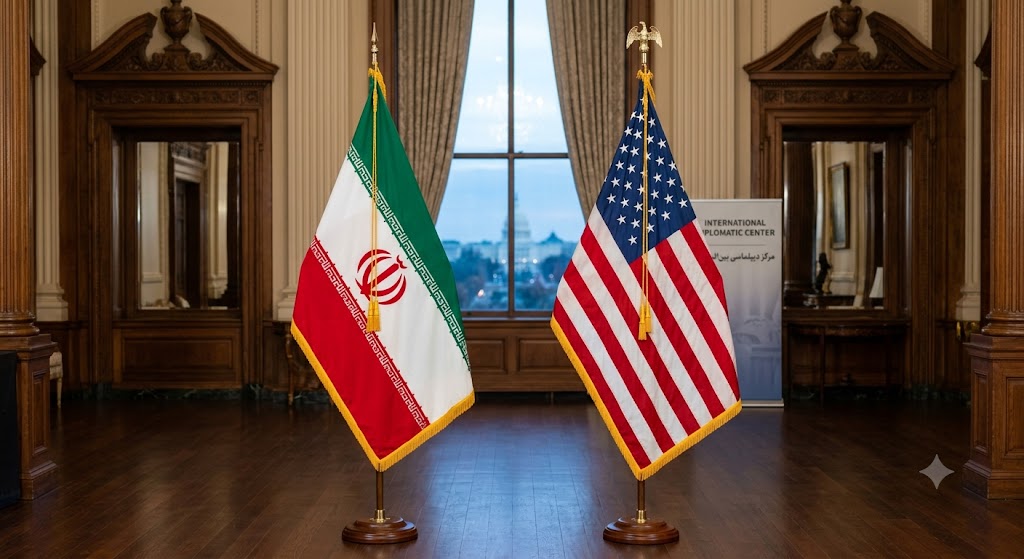
In the midst of ongoing discussions between Iran and the United States, a high-ranking Iranian official has issued a stern warning to regional countries about over-relying on American support. Ali Akbar Velayati, an advisor to Iran’s Supreme Leader, emphasized that the stability of Gulf nations hinges significantly on Iran’s influence over the Strait of Hormuz. He accused Western nations of sowing discord in the region, further complicating the geopolitical landscape.
Velayati’s remarks followed recent talks between US officials and their Gulf allies, where the focus was placed on ensuring unfettered shipping access through the Strait of Hormuz. The United States underscored that any attempts to obstruct maritime movement could lead to severe confrontations. However, Iran has maintained its pivotal role in overseeing shipping in this key waterway and has rejected calls for unrestricted passage that disregard its coastal nation status.
Reports of tensions involving foreign vessels near the strait have heightened the situation, underscoring the area’s critical importance to global energy supplies. A substantial portion of the world’s oil and gas shipments navigate through this strategic chokepoint, making the region a focal point of international attention and concern. Despite the heightened tensions, the market seems to believe that any potential disruptions to supply can be contained, as evidenced by the recent decline in oil prices.
As these geopolitical dynamics unfold, both Western and regional powers continue to navigate the complex web of alliances and antagonisms that characterize the Strait of Hormuz. The strait remains a vital artery for the global economy, and its security is paramount for maintaining the steady flow of energy resources. Meanwhile, Iran’s insistence on its regulatory role in the strait underscores its strategic importance in both regional stability and international maritime operations.