
Saudi Arabia, Bahrain, Kuwait, Qatar, and the United Arab Emirates found themselves absorbing Iranian attacks on Sunday, the same day their eastern neighbor was undergoing a historic leadership transition. The coordinated strikes on Gulf states — which killed two civilians in Al-Kharj, Saudi Arabia, and damaged a desalination plant in Bahrain — demonstrated that the appointment of a new supreme leader in Tehran had no moderating effect on Iran’s regional military posture. Gulf governments faced the challenge of responding to attacks while monitoring a political transition that could shape the conflict’s future trajectory.
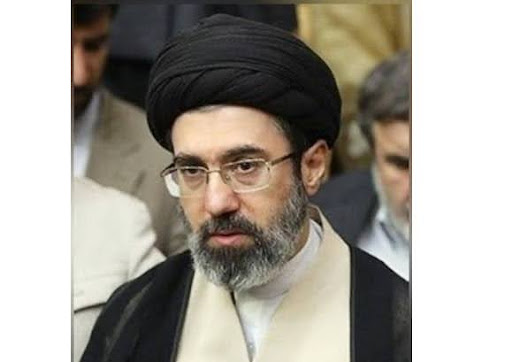
Mojtaba Khamenei, 56, was confirmed as Iran’s new supreme leader by the Assembly of Experts in a decisive vote announced Sunday. He succeeds his father, Ayatollah Ali Khamenei, who was assassinated in a US-Israeli strike on Tehran on February 28. The new leader is a conservative cleric with no formal governing background, known primarily for his deep ties to the IRGC and his decades of informal influence within the regime’s power structure.
Iran’s institutional establishment backed Mojtaba rapidly and unanimously. The IRGC, armed forces, parliament, and senior security officials all issued statements of loyalty. Yemen’s Houthis congratulated him. Iranian state media broadcast images of missiles inscribed with the new leader’s name alongside comprehensive institutional endorsements. The message projected by the regime was one of strength, continuity, and operational readiness.
Saudi Arabia’s military intercepted 15 drones before a projectile struck the residential area of Al-Kharj, killing two people and injuring twelve. Saudi civil defense confirmed the casualties. Bahrain reported significant material damage to its desalination plant. The IRGC warned that oil could exceed $200 per barrel if Israel continued striking Iranian energy infrastructure. The United States pledged not to attack Iranian energy sites. Israel launched fresh strikes on Iranian territory on Monday, maintaining the pressure on the new supreme leader.
For Gulf state governments, Mojtaba Khamenei’s appointment is both a political development to monitor and a security challenge to manage. His alignment with the IRGC and his hardline ideological orientation offer little hope for a moderation of Iran’s regional aggression. The Gulf states will need to continue coordinating their defenses while calibrating their diplomatic responses to a conflict that now has a new but no less hostile figure at its helm.