
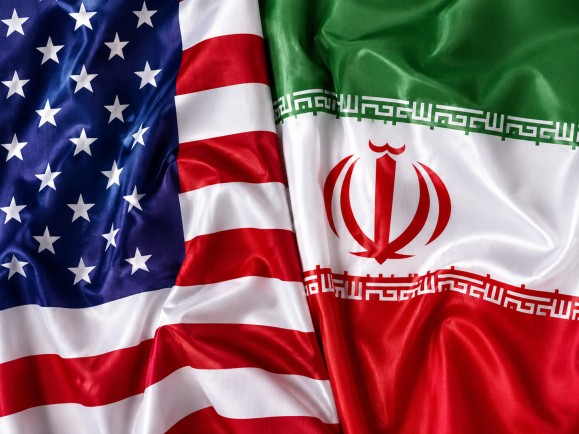
US President Donald Trump has come under fire from Republican leaders over ongoing talks with Iran regarding a potential agreement to resolve the ongoing conflict and reopen the Strait of Hormuz. Trump has emphasized that the discussions have not yet resulted in a signed deal, and he is committed to taking the necessary time to ensure a satisfactory outcome. He highlighted that the current proposal differs from the 2015 nuclear agreement crafted under the Obama administration, from which he withdrew in 2018.
Speculations suggest that the proposed deal might involve lifting some sanctions on Iran, granting access to frozen financial assets, reopening the vital Strait of Hormuz, and initiating new discussions on Iran’s nuclear activities over a 60-day period. In exchange, Iran would aim to de-escalate regional tensions and cease activities linked to the conflict. Iranian representatives have indicated that the proposal must still receive approval from the nation’s senior leadership and security institutions, with Tehran seeking further clarification on several clauses before moving forward.
Key points of the negotiation include the fate of Iran’s enriched uranium reserves and the conditions under which Iranian funds held overseas might be released. It appears that the United States is eager to link financial incentives to advancements in nuclear talks. Concurrently, Israeli Prime Minister Benjamin Netanyahu has reportedly engaged in discussions with Trump concerning the terms of the ceasefire and security issues pertinent to Israel. Iran has stipulated that any ceasefire agreement should extend to multiple fronts, including Lebanon.
Gulf countries and other regional figures have urged Washington to avoid exacerbating military tensions, cautioning that renewed hostilities with Iran could disrupt regional stability and adversely impact the global economy. The potential deal has faced sharp criticism from Republican politicians and former government officials, who argue that it might empower Iran both economically and politically. Opponents warn that easing sanctions and allowing Iran to resume oil exports could bolster Tehran’s influence in the region without sufficiently curtailing its nuclear ambitions.
Despite the political pushback, Trump and other high-ranking US officials maintain that diplomatic efforts represent the most promising avenue for progress. They assert that the overarching objective remains to prevent Iran from acquiring nuclear weapons while fostering stability in the Gulf region.