
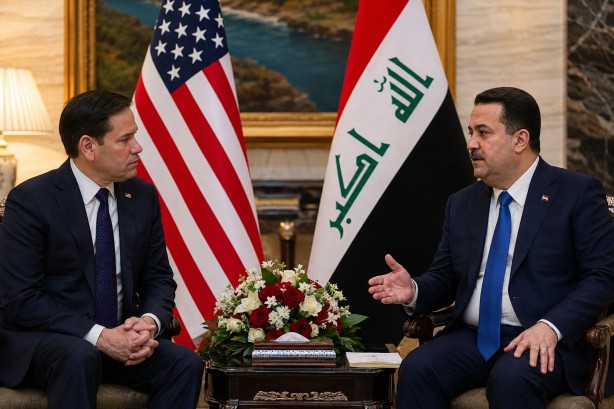
In a strategic move to bolster Iraq’s international relations, Prime Minister Ali Al Zaidi recently wrapped up a significant visit to Washington, where he successfully secured economic agreements and enhanced diplomatic ties with the United States. This visit underscored Iraq’s intent to lure foreign investment and deepen its security collaboration with the US, while also positioning Al Zaidi as a leader dedicated to reform.
Despite the optimistic tone surrounding the visit, experts have raised concerns about the practical challenges that lie ahead in implementing the pivotal agreements, particularly those related to security reforms and economic advancement. Iraq’s internal political landscape, coupled with the sway of Iran-backed factions, presents substantial hurdles that could impede these efforts.
Additionally, analysts emphasize the delicate balancing act Baghdad must perform in managing its relationships with both Washington and Tehran. As regional tensions continue to simmer, Iraq’s ability to navigate these complex diplomatic waters will be crucial for maintaining stability and fostering cooperative ties with its major partners.
While the visit has indeed paved the way for potential collaboration, the true test will be Iraq’s capacity to follow through on its reform commitments and sustain harmonious relations with both the United States and Iran. The success of these diplomatic endeavors will hinge on Iraq’s adept handling of its internal and external political challenges.