
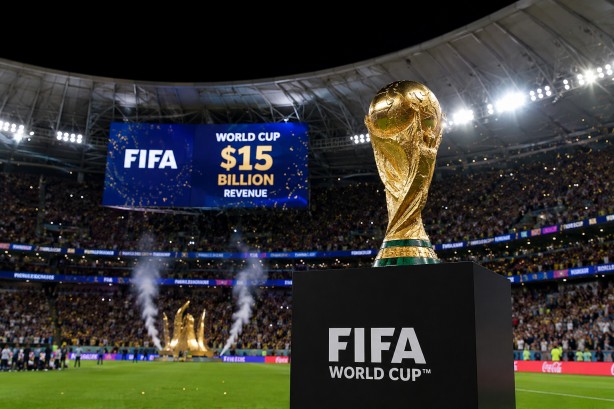
FIFA is on the verge of announcing that this summer’s World Cup has brought in an unprecedented $15 billion in revenue, a significant leap from the initial forecast of $11 billion. This surge in financial returns is primarily attributed to robust ticket sales and hospitality packages, with the secondary ticket market playing a pivotal role. In transactions on this market, FIFA earns a 15% commission from both buyers and sellers, significantly bolstering the organization’s income stream.
The substantial revenue generated is expected to have a positive impact on FIFA’s member associations, though the specifics of how these additional funds will be allocated remain undecided. This financial boost comes at a crucial time for FIFA president Gianni Infantino, fortifying his position as he gears up for a likely re-election campaign in March, with support already pledged by over 200 member associations.
With the tournament’s success, the United States is seeing enhanced prospects for hosting another World Cup in the future. The next tournament open for bidding is the 2038 edition. Moreover, there are ongoing discussions about a potential bid by the U.S. to host the 2029 Club World Cup, reflecting the country’s growing involvement in global soccer events.
In the lead-up to the final match between Spain and Argentina, scheduled to take place in New Jersey, some premium hospitality packages are still available. These exclusive experiences, including access to the “trophy lounge,” come with a hefty price tag, with tickets costing as much as $34,500 per person. This highlights the high demand and lucrative nature of premium offerings associated with the tournament.