
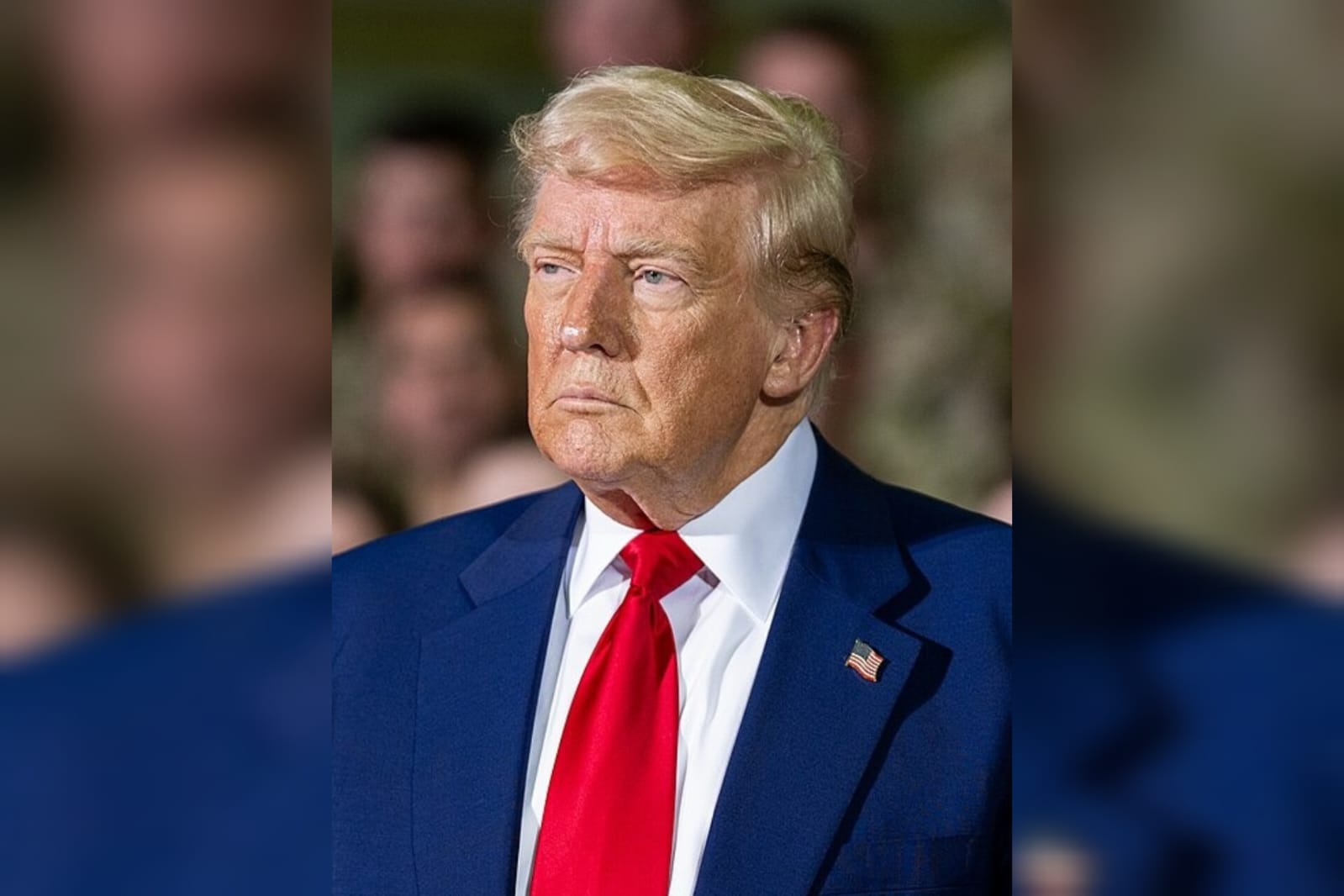
In a significant diplomatic move, U.S. President Donald Trump and Iranian President Masoud Pezeshkian have signed a 14-point agreement, marking a potential turning point in U.S.-Iran relations. The agreement aims to avert a looming global economic crisis by reopening the Strait of Hormuz, a crucial artery for oil shipments worldwide. This initial accord sets the stage for a 60-day negotiation period intended to establish a more comprehensive and lasting resolution.
Key components of the agreement include Iran’s commitment to reopening the Strait and entering discussions about its nuclear program. In exchange, the U.S. will begin easing certain sanctions, allowing for Iranian oil exports to resume, unfreezing billions of dollars of Iranian assets, and supporting larger economic initiatives to aid in Iran’s recovery. A notable aspect of the deal is the discussion about reducing Iran’s stockpile of highly enriched uranium under international oversight. President Trump emphasized that this deal was essential to prevent a wider conflict that could destabilize global economies. He reassured that the reopening of the Strait of Hormuz would bring stability to energy markets and mitigate risks for international shipping. Trump also made it clear that while Gulf nations might contribute to Iran’s reconstruction, the United States would not provide financial aid.
The agreement has sparked diverse responses. Proponents contend that it lowers regional tensions, secures global energy stability, and opens the door for extended negotiations on Iran’s nuclear program. On the other hand, critics argue that the deal excessively benefits Iran economically without securing firm commitments regarding its ballistic missile program or regional influence. They express concern that Tehran might leverage these gains for financial and strategic advantage.
As part of the agreement, Iran has pledged to abstain from developing nuclear weapons and to exercise restraint through its regional proxies. Future negotiations are anticipated to address remaining issues such as missile development and overall security in the Middle East. While both nations regard the agreement as a significant achievement, its ultimate success hinges on the forthcoming negotiations’ outcomes.