
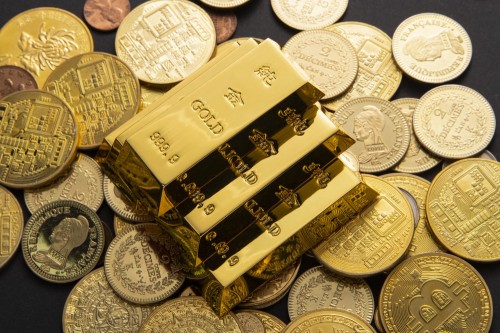
This week saw a decline in gold prices as the market grappled with the uncertainties surrounding the US-Iran negotiations seeking to resolve the conflict in the Middle East. The price of bullion hovered around $4,450 per ounce, marking a weekly loss of approximately 2%. Investor sentiment was swayed by fluctuating messages from both nations; US officials suggested that peace talks were nearing completion, while Iranian representatives expressed skepticism, citing a lack of significant progress. This uncertainty continued to affect market dynamics.
Now in its fourth month, the conflict has significantly impacted key energy routes through the Strait of Hormuz, a critical passage for global oil shipments. This disruption has contributed to rising oil prices and exacerbated global inflation concerns. As a result, there is an increasing expectation that central banks might keep or even increase interest rates. Such conditions tend to diminish the appeal of gold, which does not yield interest.
Market analysts have observed that gold prices have struggled to gain traction, remaining within a narrow band after experiencing sharp declines at the beginning of the conflict. Current prices are notably lower than what they were before the war began, reflecting a decreased demand for gold as a traditional safe-haven asset, despite the persistent geopolitical risks in the region.
Alongside gold, other precious metals have also seen a downturn. In contrast, currency markets have shown relative stability, highlighting a mixed investor approach amidst the global uncertainty. The direction of gold prices seems to hinge on the future trajectory of geopolitical tensions; escalation could further affect the markets, whereas diplomatic breakthroughs might help stabilize energy markets and inflation expectations.