
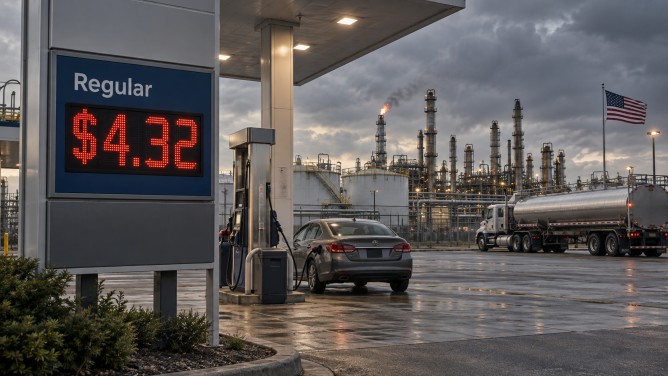
Amid ongoing geopolitical tensions and supply chain disruptions, the United States is experiencing a significant surge in gasoline prices, impacting consumers across the nation. The average price for regular gasoline has now reached $4.32 per gallon, according to the latest data from the US Energy Information Administration, reflecting a sharp increase over recent weeks.
This rise in fuel costs comes as global crude oil markets face mounting pressures. Conflicts involving the Middle East, Iran, and Ukraine have exacerbated concerns over oil supplies, contributing to the escalation in energy prices. In comparison, gasoline prices at this time last year were notably lower, averaging around $3.18 per gallon.
The ripple effects of increasing fuel prices are also evident in the diesel market, where costs have soared to record levels. This development is particularly concerning for transportation and shipping industries, as higher diesel prices can lead to increased costs of moving goods, thereby adding to broader consumer price pressures.
Typically, autumn brings a decline in gasoline prices as US refiners transition from more expensive summer-grade fuel to cheaper winter-grade formulations. However, energy analysts caution that this seasonal trend may not hold this year due to persistent geopolitical risks that could sustain elevated prices.
Compounding the issue is the diminished capacity of the US Strategic Petroleum Reserve, which has less emergency oil available following recent significant withdrawals. This limitation could hinder the government’s ability to mitigate the effects of any further major supply disruptions.
As the situation unfolds, energy experts anticipate continued volatility in fuel prices, driven by developments in the Middle East and the Russia-Ukraine conflict. While any seasonal decline in gasoline prices might offer temporary relief, ongoing supply risks are likely to keep prices high for the foreseeable future.