
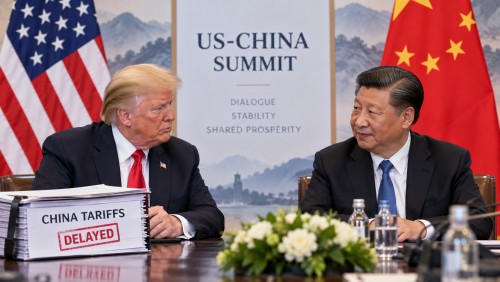
As global trade tensions continue to simmer, the United States is strategically delaying the imposition of new tariffs on China and other key trading partners. This move comes ahead of a significant meeting between U.S. President Donald Trump and Chinese President Xi Jinping, which could shape the future of economic relations between the two nations.
The U.S. administration had been gearing up to announce a 7.5% tariff on Chinese goods, based on findings from a trade report concerning China’s industrial capacity. Such tariffs would potentially increase the overall tariff rate on Chinese imports to approximately 20%. This level is one China has previously indicated could align with the existing trade truce.
By postponing the tariff announcement, Washington aims to retain leverage in upcoming trade negotiations. U.S. and Chinese officials are expected to engage in discussions before President Xi’s visit to the United States, marking his first since 2023, to explore potential agreements that might ease trade tensions.
In March, the Trump administration launched investigations into several major trading partners, including China, under Section 301 of the Trade Act of 1974. These investigations focus on concerns over excess production capacity, which could lead to additional tariffs and heighten trade pressures.
China has cautioned that any increase in U.S. tariffs beyond the current levels could prompt a response. Chinese officials have argued against using excess capacity concerns as a justification for protectionist policies. As both nations prepare for the Trump-Xi summit, tariffs remain a critical issue in U.S.-China economic relations, underscoring the importance of the forthcoming negotiations.